How to Clean a Kitchen Chimney at Home (Without Wrecking It)
Step-by-step methods to degrease chimney filters with dishwashing liquid, baking soda or caustic soda — how often to clean, and what never to use.
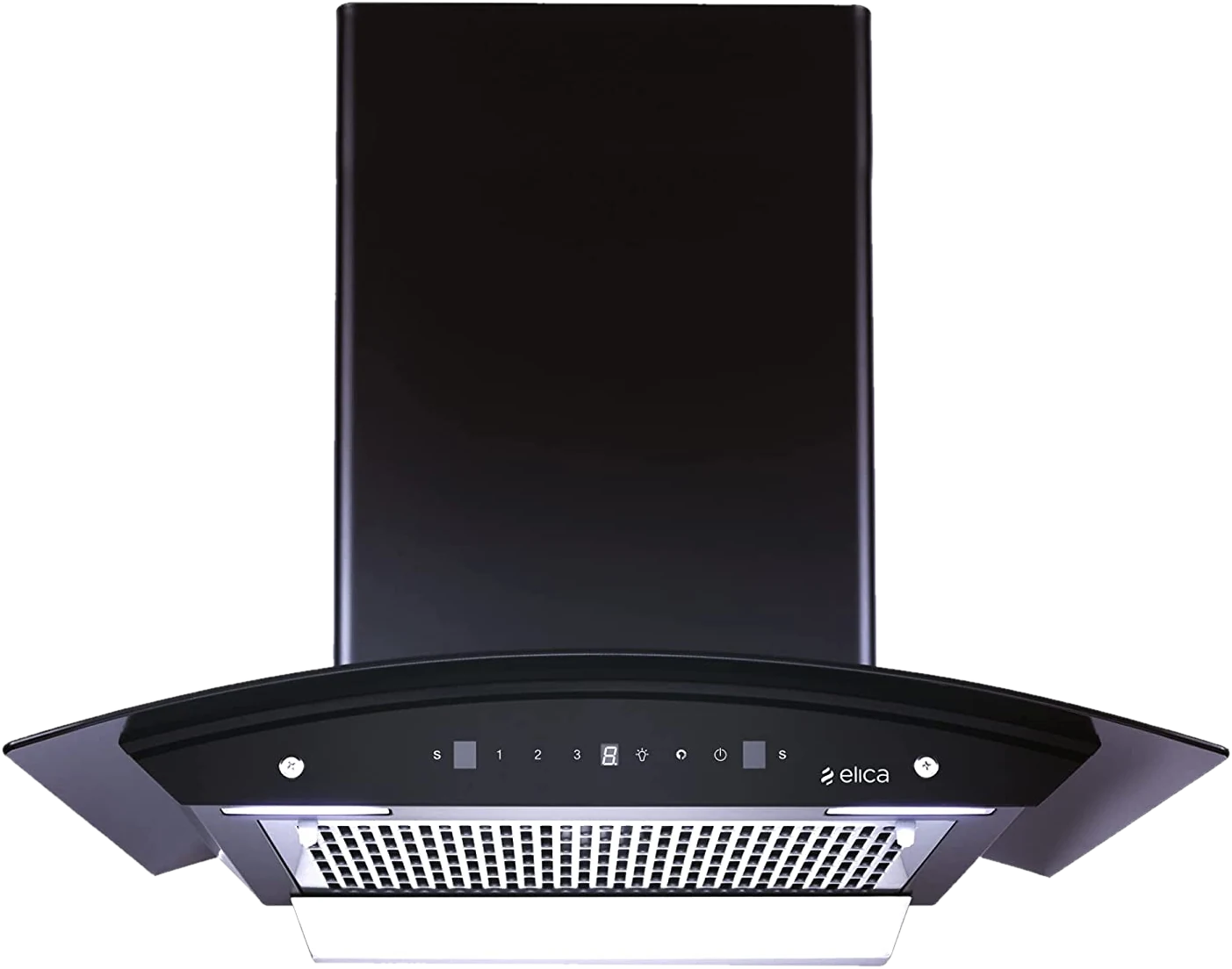
Basgo saysAuto-clean isn’t no-clean. Degrease it monthly.
The chimney does the dirtiest job in your kitchen: it swallows the oil, smoke and steam that Indian cooking throws out daily. All that grease lands in its filters — and a clogged filter means weak suction, a noisy motor, drips of old oil onto your stove, and a kitchen that starts to smell.
The good news: cleaning it yourself is genuinely doable. Here’s how, from easiest to heaviest-duty.
First, know your filter — it decides your method
Pull the panel off (most lift or slide out without tools) and look:
- Baffle filters — layered stainless-steel plates. Standard in Indian chimneys, built exactly for oily cooking, and the easiest to clean at home.
- Mesh filters — woven metal sheets. Older style; clog faster and need more frequent washing.
- Charcoal filters — black cassettes found in ductless (recirculating) chimneys. These cannot be washed — they’re replaced, roughly every 6 months.
- Filterless / auto-clean chimneys — no removable filter, but the oil collector cup must be emptied and washed monthly, and the interior wiped down. “Auto-clean” means less cleaning, not none.
Method 1: Dishwashing liquid — the monthly routine
The gentlest method, and enough if you do it regularly.
- Remove the filters and squeeze dishwashing liquid over both sides.
- Fill a bucket or large tub with hot water (near-boiling from the kettle is ideal).
- Submerge the filters for 1–2 hours.
- Scrub along the grooves with a non-abrasive scrubber, rinse, and dry before refitting.
If you have a large steel vessel, simmering the filters in soapy water for 20–30 minutes beats soaking — heat liquefies old grease and floats it off.
Shortcut: most steel baffle filters are dishwasher-safe on the intensive cycle. Check your manual once, then never scrub by hand again.
Method 2: Baking soda + vinegar + salt — for stubborn buildup
When filters have gone a few months too long, upgrade the soak:
- Fill a tub with hot water.
- Add 2–3 tablespoons baking soda, 2 cups vinegar, and 2–3 tablespoons salt.
- Soak the filters 1–2 hours, then scrub and rinse.
Baking soda is mildly abrasive and cuts grease; vinegar dissolves the sticky film and kills the stale-oil smell. This combination handles 90% of home chimney cleaning jobs.
Method 3: Caustic soda — the nuclear option
For filters coated in old, hardened, brown grease that laughs at soap.
Safety first — this is real chemistry, not a kitchen hack. Caustic soda (sodium hydroxide, sold at hardware stores) is strongly alkaline and will burn skin. Wear rubber gloves, protect your eyes, do it in a ventilated spot or outdoors, and keep children and pets away.
- Place filters in a steel or plastic tray (never aluminium — caustic soda attacks it).
- Sprinkle caustic soda over the filters.
- Pour hot water over them — it will fizz and fume; stand back and don’t inhale.
- Leave for 2–3 hours, then scrub with gloves on, rinse thoroughly, and dry.
Grease dissolves almost completely; filters come out looking factory-new.
What we deliberately don’t recommend: the old trick of wiping filters with paint thinner or nail-polish remover. Both are flammable solvents — exactly what you don’t want soaked into a filter that hangs above a gas flame — and they do a worse job than caustic soda anyway.
Don’t forget the rest of the chimney
- Oil collector cup (auto-clean and many baffle models): empty and wash monthly — it overflows silently.
- Hood and glass: wipe with soapy water or diluted vinegar; avoid abrasives on glass and steel finishes.
- Interior walls: a cloth dampened with the baking-soda solution, with the chimney switched off at the plug.
How often is often enough?
For typical Indian cooking: filters monthly, deep clean every 2–3 months, charcoal filters replaced twice a year. Heavy frying or a joint-family kitchen? Move everything up a notch.
The payoff is real: a clean chimney pulls noticeably harder, runs quieter, stops dripping, and the motor — the expensive part — lives years longer.
And while you’re cleaning: check that the suction still feels strong and the motor doesn’t rattle. If suction stays weak after a full clean, the motor or ducting needs a professional — that’s a repair, not a cleaning problem. If your chimney is past saving, our kitchen chimney guides cover what to look for in a replacement.
Questions people ask
How often should a kitchen chimney be cleaned in India?
For typical Indian cooking — oily, spicy, high-flame — clean the filters monthly and do a deeper clean every 2–3 months. Auto-clean models still need their oil collector emptied monthly and filters degreased periodically. Charcoal filters (in ductless chimneys) can't be washed; replace them every ~6 months.
Can I put chimney baffle filters in the dishwasher?
Usually yes — most stainless steel baffle filters are dishwasher-safe on an intensive cycle, and it's the lowest-effort method. Check your manual first, and skip the dishwasher for aluminium mesh filters, which can discolour under hot alkaline detergent.
Is caustic soda safe for cleaning chimney filters?
It's effective but the harshest option — caustic soda (sodium hydroxide) is strongly alkaline and burns skin. Use it outdoors or in a ventilated spot, wear rubber gloves and eye protection, add soda to water (never water to soda), and keep children away. Try dishwashing liquid or baking soda first.