Why Phones Cost More This Diwali, and the Cheaper Parts Inside
Indian phone prices rose about 16% in 2026 as AI data centres soak up memory. What LPDDR4X, UFS 3.1 and 'extended RAM' tell you before you pay more for less.
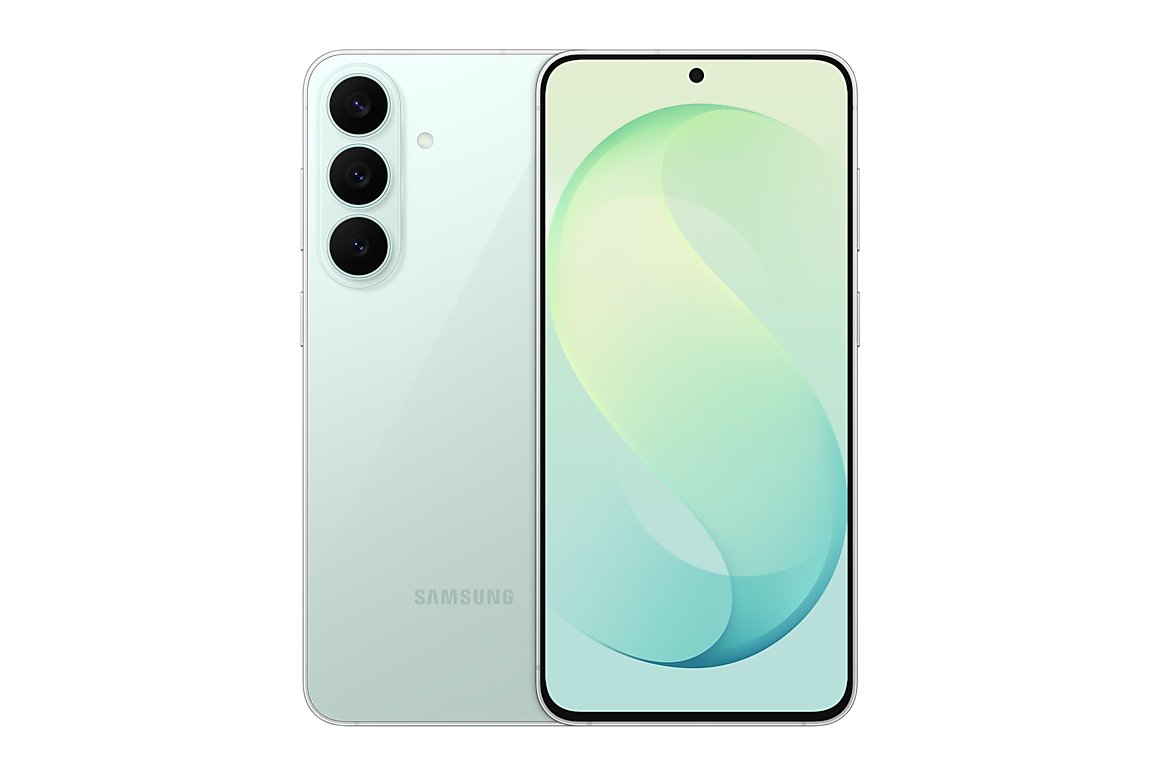
Photo: Samsung
Basgo saysCheck RAM type, not GB. Ignore 'extended RAM'.
Same phone names, bigger numbers: this year’s Diwali phone prices are noticeably higher than last year’s, and some of the new phones are quietly built with cheaper parts to keep the price from rising further. Here’s why, and how to spot what’s been cut.
Why: AI is eating the memory
Phones need two kinds of memory chips: RAM, the working memory apps run in, and storage, where apps and photos live. The same few chipmakers also make memory for AI data centres, which need enormous amounts of it and pay well. Those makers have shifted production towards HBM, the stacked memory AI servers use, so there’s less of the ordinary kind for phones, and it costs much more. A weaker rupee makes the imported chips dearer still.
The result, per Counterpoint Research’s September report on India:
- The average phone price rose 16% in the first half of 2026.
- Phones under ₹10,000 rose about 32%, and shipments of them fell by around two-thirds.
- Memory costs are unlikely to fall before 2028.
What it looks like on price tags
- Google’s Pixel 11 series costs ₹10,000 more than the equivalent Pixel 10, model for model. The base Pixel 11 starts at ₹89,999.
- Samsung’s Galaxy S26: a note to retailers, reported by SamMobile, raised most models by ₹15,000 from 23 September. The base S26 went from ₹87,999 to ₹1,02,999. Samsung hasn’t announced it.
- New mid-range phones launched well above the models they replace. vivo’s V80 starts at ₹62,999. Its predecessor, the V70, was reported at ₹45,999.
The cheaper parts hiding in the spec sheet
When a brand can’t raise the price enough, it trims what’s inside. Here’s where to look:
- RAM type, not just GB. LPDDR5X is current, faster and more efficient. LPDDR4X is the older generation. vivo’s own spec pages list LPDDR4X on the V80 (₹62,999) and the S2 FE (₹38,999). You’d expect LPDDR5X at these prices.
- Storage speed. UFS 4 storage opens apps, saves photos and installs updates much faster than UFS 3.1. Both vivo phones above use UFS 3.1.
- “12GB with software optimisation”. That’s how vivo describes the 6GB version of the S2 FE: 6GB of real RAM plus 6GB of storage acting as extended RAM. Extended RAM is far slower than the real thing. Count only the physical RAM.
- USB 2.0. The S2 FE uses the old USB 2.0 standard, which is fine for charging but slow for copying photos and videos to a laptop. Reviewers flagged the same on OPPO’s ₹45,999 F35 Pro.
- No NFC. The S2 FE has none, so you can’t tap the phone to pay with a card or wallet. UPI QR payments still work.
- AI features need RAM. Phones with less RAM may not get every on-device AI feature, even from brands that advertise “AI” on the box.
Reading the price: MRP, selling price, “effective” price
- MRP: the printed maximum. Almost nobody pays it. Samsung’s own store lists the Galaxy S26 FE at ₹79,999 against an MRP of ₹1,09,999, and that ₹30,000 “saving” is just the gap between the two.
- Selling price: what the shop or site charges today.
- “Effective” price: the selling price after bank cashback, exchange bonus or an upgrade offer. Useful only if you have that bank’s card or a phone to exchange. Offers often can’t be combined.
- No-cost EMI: often carries a processing fee. Read the line before you click.
Honest verdict
Phones cost more this year for a real reason, and it won’t reverse soon, so don’t wait for a price crash. What you can do is refuse to pay more for less. Check the RAM type and storage type on the spec page, count only real RAM and compare the price you’ll actually pay. A phone with LPDDR5X and UFS 4 at a slightly higher price will feel faster for longer than a bargain built on last generation’s parts. For Apple’s side of the story, see our iPhone 18 Pro decode.
Questions people ask
Why are phone prices going up in India in 2026?
Mainly memory. Chipmakers are prioritising memory for AI data centres, so the RAM and storage chips phones use cost far more, and a weaker rupee adds to it. Counterpoint Research says the average phone price in India rose 16% in the first half of 2026, and doesn't expect memory costs to fall before 2028.
What is 'extended RAM' or 'virtual RAM'?
It's part of the phone's storage set aside to act as overflow memory. It's much slower than real RAM, so it doesn't make the phone as fast as the bigger number suggests. A phone sold as '12GB with software optimisation' may have 6GB of actual RAM.
Is LPDDR4X RAM bad?
Not bad, but older: it's slower and less power-efficient than LPDDR5X. At ₹40,000–60,000 you'd normally expect LPDDR5X, so finding LPDDR4X there is a sign of the cost-cutting this year has brought. Check the RAM type on the spec page, not just the GB.
Should I wait for phone prices to come down?
Probably not. With memory costs expected to stay high into 2028, prices are unlikely to fall soon. If you need a phone, buy during a sale, but compare the selling price you'll actually pay and check the spec sheet for cut-down parts.
Did Samsung raise Galaxy S26 prices in India?
According to a note sent to retailers and reported by SamMobile, yes: from 23 September 2026 most Galaxy S26 models rose by ₹15,000, with the base S26 going from ₹87,999 to ₹1,02,999. Samsung hasn't announced it, so check the live price before you buy.