Frost-Free vs Direct Cool: Which Fridge Should You Buy?
Direct-cool fridges are simpler and use less power; frost-free ones never need defrosting. What each term means, running costs in ₹, and who should buy which.
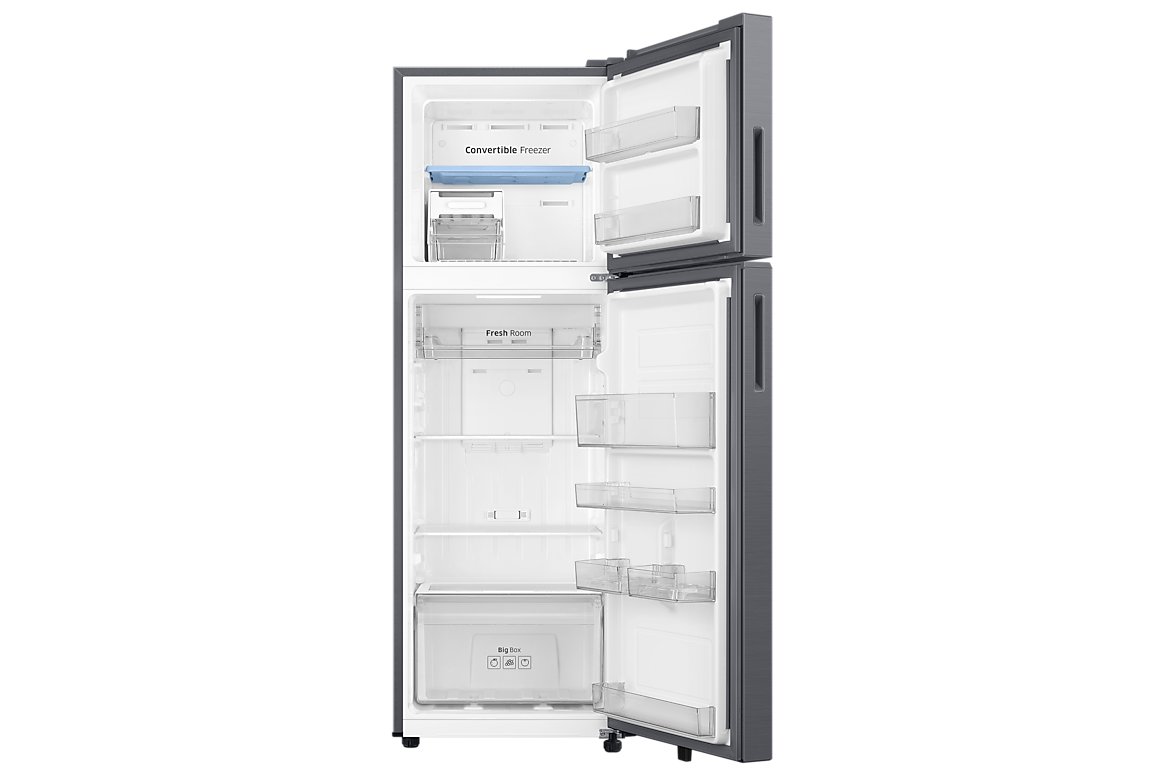
Photo: Samsung
Basgo saysSmall family? Direct cool. Bigger home? Frost-free.
Every fridge brochure starts with one of two words: direct cool or frost-free. It decides how the fridge cools, how often you’ll be chipping ice out of the freezer, and a good part of your electricity bill. Here’s what each means for an Indian home.
How each one works
Direct cool: the cooling coils sit in the freezer walls, and cold air sinks and circulates on its own. There’s no fan. It’s simple, quiet and frugal, but moisture from the food freezes onto the freezer walls and builds up as ice.
Frost-free: a fan pushes cold air around the fridge through vents, and a small heater periodically melts any frost so it never builds up. There’s no defrosting, and the cooling is more even, but the fan and heater use extra electricity.
The money
Buying: direct-cool fridges are mostly single-door models and usually the cheapest way to own a fridge. Frost-free fridges are mostly double-door, cost more, and come in bigger sizes and convertible layouts.
Running: direct cool usually wins. Two 236-litre fridges from this year’s listings show the gap:
| Direct cool, 5-star | Frost-free, 3-star | |
|---|---|---|
| Rated electricity | about 119 units a year | about 200 units a year |
| Yearly cost at ₹8 a unit | about ₹950 | about ₹1,600 |
About ₹650 a year in direct cool’s favour, roughly ₹6,500 over a fridge’s life. Not every pair is that far apart, so compare the kWh per year on the two labels you’re choosing between.
What direct cool asks of you
- Defrosting. Ice builds up on the freezer walls. Once it’s several millimetres thick it steals space and makes the fridge work harder, so you switch off (or press defrost), let it melt and mop up.
- A small freezer. Single-door freezers are a box inside the fridge, fine for ice trays and a little frozen food, but not for weekly stock-ups.
- Uneven cooling. The top shelf near the freezer runs colder than the bottom.
What frost-free gives you
- No defrosting, ever.
- Even cooling throughout, thanks to the fan.
- A proper freezer in a separate compartment on double doors, often convertible to fridge space.
- Bigger sizes: frost-free double doors typically start just above 200 litres and go well past 300.
Brochure words that come with each
- Base stand drawer (direct cool): a drawer under the fridge for onions and potatoes. Handy in small kitchens.
- Stabiliser-free: the fridge copes with a stated voltage range. Check it against your area’s supply.
- Inverter compressor: varies its speed instead of switching on and off. It’s now on many frost-free models and some direct-cool ones, and saves power on both.
- Adjusted volume: in BEE’s maths, freezer litres count extra because keeping them frozen costs more energy. That’s why two fridges of the same litres can have different ratings.
Who should buy which
- One or two people, small kitchen, tight budget: a 180–200 litre direct-cool single door. It’s cheapest to buy and run, and defrosting once in a while is the trade.
- A family of three or more, or anyone who freezes food: a frost-free double door, 240–350 litres. The convenience and freezer space are worth the extra.
- Somewhere in between: a frost-free convertible gives you the flexibility to switch the freezer to fridge space. See 2026 fridges, decoded.
Honest verdict
Direct cool is the frugal choice for small households who don’t mind defrosting. Frost-free is the convenient choice for families, at a higher price and a higher bill. Whichever you pick, compare kWh per year on the label, not the stars.
Questions people ask
Which uses less electricity, direct cool or frost-free?
Direct cool, usually. In this year's listings, a 236-litre 5-star direct-cool fridge was rated at about 119 units a year, against about 200 for a 236-litre 3-star frost-free model. At ₹8 a unit that's roughly ₹650 a year in favour of direct cool.
Do direct-cool fridges need defrosting?
Yes. Ice slowly builds up on the freezer's walls, and once it's several millimetres thick it eats space and efficiency. You switch the fridge off or press the defrost button, let it melt, and mop up. Frost-free fridges do this automatically.
Are frost-free fridges better?
They're more convenient: no defrosting, more even cooling, and they come in bigger sizes and double-door layouts with proper freezers. You pay more to buy them and usually more to run them.
What size fridge does my family need?
As a rough guide, a 180–200 litre single door suits one or two people, 240–300 litres a family of three or four, and 300 litres or more a larger family or anyone who stocks up weekly.
Can I compare the star rating of a direct-cool and a frost-free fridge?
Not directly. Each type is rated against its own scale. Compare the electricity figure printed on the label, kWh per year, which works across types.