Oil-Filled vs Fan vs Quartz Heater: Which Is Safe for a Baby's Room?
Oil-filled, fan, PTC, quartz or convector: how each room heater works, what a winter night costs at ₹8 a unit, and which is safest for babies and older people.
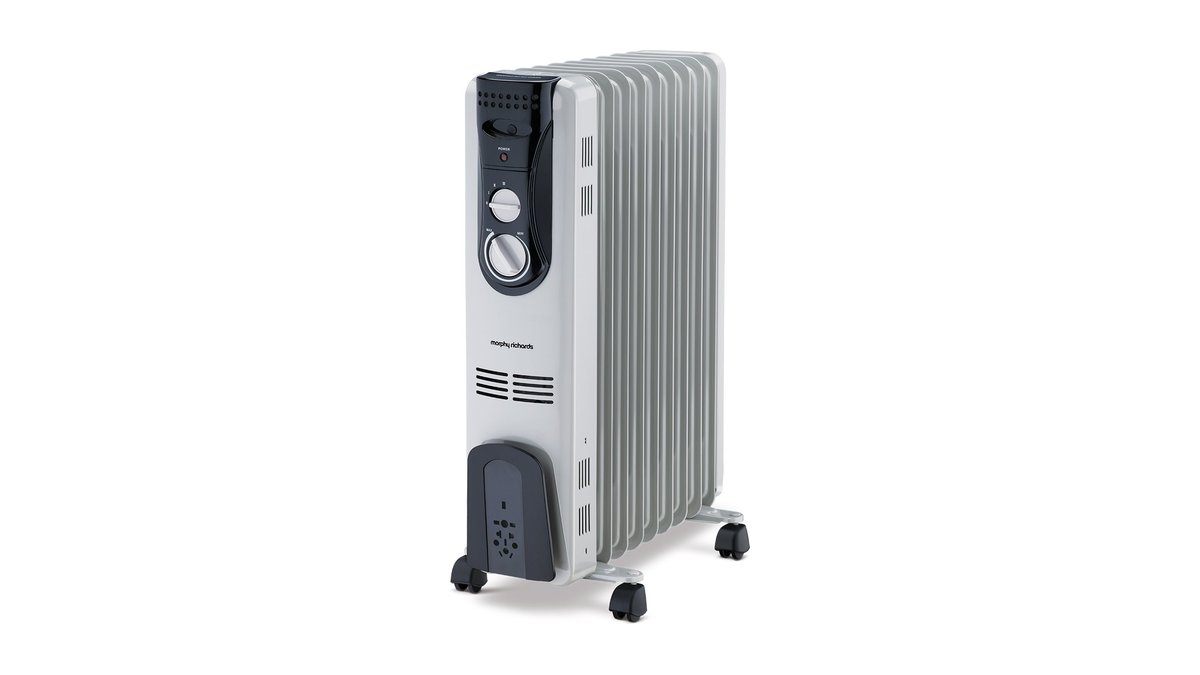
Photo: Morphy Richards
Basgo saysSame watts, same bill. Baby's room: oil-filled.
Room-heater searches in India peak from late December to mid-January, and the listings are full of claims: oxygen-friendly, 2000 W, 11 fins, PTC ceramic, tip-over safety. Here’s how each type works, what a winter night really costs, and which is safest for a baby, an older parent or a bedroom.
First: every electric heater costs the same per watt
Every electric heater, fan, quartz, convector or oil-filled, turns almost all of its electricity into heat. So a 2,000 W fan heater and a 2,000 W oil-filled radiator cost exactly the same per hour. What differs is how they deliver the heat: fast or slow, to the whole room or to whatever is in front of them, loudly or silently.
And despite what some listings imply, electric heaters don’t burn oxygen or produce carbon monoxide. They do dry the air, which can bother people with asthma or dry skin.
The types, decoded
| Type | Typical power | How it heats | Watch out for |
|---|---|---|---|
| Quartz / halogen | 400–1,200 W | Glowing rods heat whatever they face, instantly and silently | Fire risk near curtains and bedding; the glow disturbs sleep |
| Fan heater | 1,000–2,000 W | Blows air over a hot element; warms a room fast | Fan noise; blows dust around |
| PTC ceramic | 1,000–2,000 W | A fan heater whose ceramic element limits its own temperature | Fan noise |
| Convector | about 2,000 W | Warm air rises from the heater and circulates | Slower; less effective in big rooms |
| Oil-filled radiator | 2,000–2,900 W | Heats sealed oil in fins, which radiate gently | Slow to warm; the surface gets hot; heavy |
Some 2,900 W oil-filled radiators include a small fan heater for a faster start, which also means more noise when it’s on.
What a winter night costs
At ₹8 a unit:
| Power | Per hour | 8-hour night, flat out |
|---|---|---|
| 400 W (one quartz rod) | ₹3.20 | ₹26 |
| 800 W | ₹6.40 | ₹51 |
| 1,000 W | ₹8 | ₹64 |
| 2,000 W | ₹16 | ₹128 |
| 2,900 W | ₹23.20 | ₹186 |
A thermostat cuts that sharply: once the room is warm, the heater cycles on and off. If a 2,000 W heater runs half the time, a night costs about ₹64, or roughly ₹1,900 a month. For a cheaper way to heat a room every night, a hot & cold AC uses about a third of the electricity (see hot & cold AC vs room heater).
Which heater for which room
- A baby’s room: an oil-filled radiator with a thermostat and tip-over cut-off. No glowing element, no fan, even heat. Keep it away from the cot and out of reach, because its surface gets hot. The UK’s Lullaby Trust advises keeping a baby’s room at 16–20°C: overheating raises the risk of sudden infant death.
- An older parent’s bedroom: an oil-filled radiator or a convector, with a tip-over switch and a thermostat.
- A living room you want warm fast: a fan or PTC heater at 2,000 W.
- A desk or a small room for an hour: a quartz heater at 400–800 W, pointed at you and kept away from fabric.
Safety rules for every heater
- A tip-over switch and a thermostat, which US safety regulators recommend, plus an overheat cut-off.
- Three feet of clear space around the heater, from curtains, bedding and children (the US fire-safety body NFPA’s rule).
- Plug it straight into the wall, never into an extension board. A 2,000 W heater needs a 15 A socket, not a small 5 or 6 A one.
- Never cover it or dry clothes on it.
- Don’t sleep with it running if you can help it. Warm the room first, then switch off.
- Buy an ISI-marked heater. It’s compulsory for room heaters sold in India.
The real winter killer: angithis and gas
Every winter, Indian news carries deaths in closed rooms, and most come from coal braziers (angithis) and other fuel-burning heat, which make carbon monoxide. An AIIMS study found 95% of carbon monoxide deaths happen in winter, mostly from coal stoves. Never sleep in a closed room with a coal fire, gas heater or gas geyser running. An electric heater, used with the rules above, is the safer choice.
Honest verdict
Every electric heater costs the same per watt, so choose for comfort and safety. For a baby’s room or a bedroom, an oil-filled radiator with a thermostat and tip-over cut-off. For quick heat, a fan or PTC heater. A quartz heater only for short spells, at a desk. For models and prices, see the best room heaters by budget.
Questions people ask
Which room heater is safest for a baby's room?
An oil-filled radiator with a thermostat and a tip-over cut-off is the usual choice: no glowing element, no fan, and it warms the room evenly. Its surface does get hot, so keep it out of reach and away from the cot. The UK's Lullaby Trust advises keeping a baby's room at 16–20°C, because overheating raises the risk of sudden infant death. Keep quartz and halogen heaters away from a baby's room.
Do room heaters burn oxygen?
Electric heaters don't. They turn electricity into heat without burning anything, so they don't use up oxygen or make carbon monoxide. That danger comes from coal braziers (angithis), gas heaters and gas geysers in closed rooms, which kill people every Indian winter. Electric heaters do dry the air, which can bother people with asthma.
Which room heater uses the least electricity?
Per watt, none of them: every electric heater turns almost all its electricity into heat, so a 2,000 W fan heater and a 2,000 W oil-filled radiator cost the same per hour, about ₹16 at ₹8 a unit. What saves money is a thermostat, a lower setting and heating only the room you're in. A hot & cold AC can heat a room for about a third of the electricity.
How much does a room heater cost to run for a night?
At ₹8 a unit, a 2,000 W heater running flat out for 8 hours costs ₹128. If a thermostat keeps it on half the time, that's about ₹64 a night, or around ₹1,900 a month. An 800 W quartz heater costs ₹6.40 an hour.
Is it safe to leave a heater on overnight?
US safety regulators advise never running a heater while you sleep. If you must, use one with a thermostat and tip-over and overheat cut-offs, plug it straight into a wall socket rated for it (a 15 A socket for 2,000 W), keep anything that can burn at least 3 feet away, and keep a baby's room at 16–20°C. Better still, warm the room before bed and switch off.