Front Load vs Top Load: The Honest Comparison for Indian Homes
Cleaning quality, water use, price, ergonomics and hard-water reality — an honest front load vs top load comparison so you pick the right washing machine.
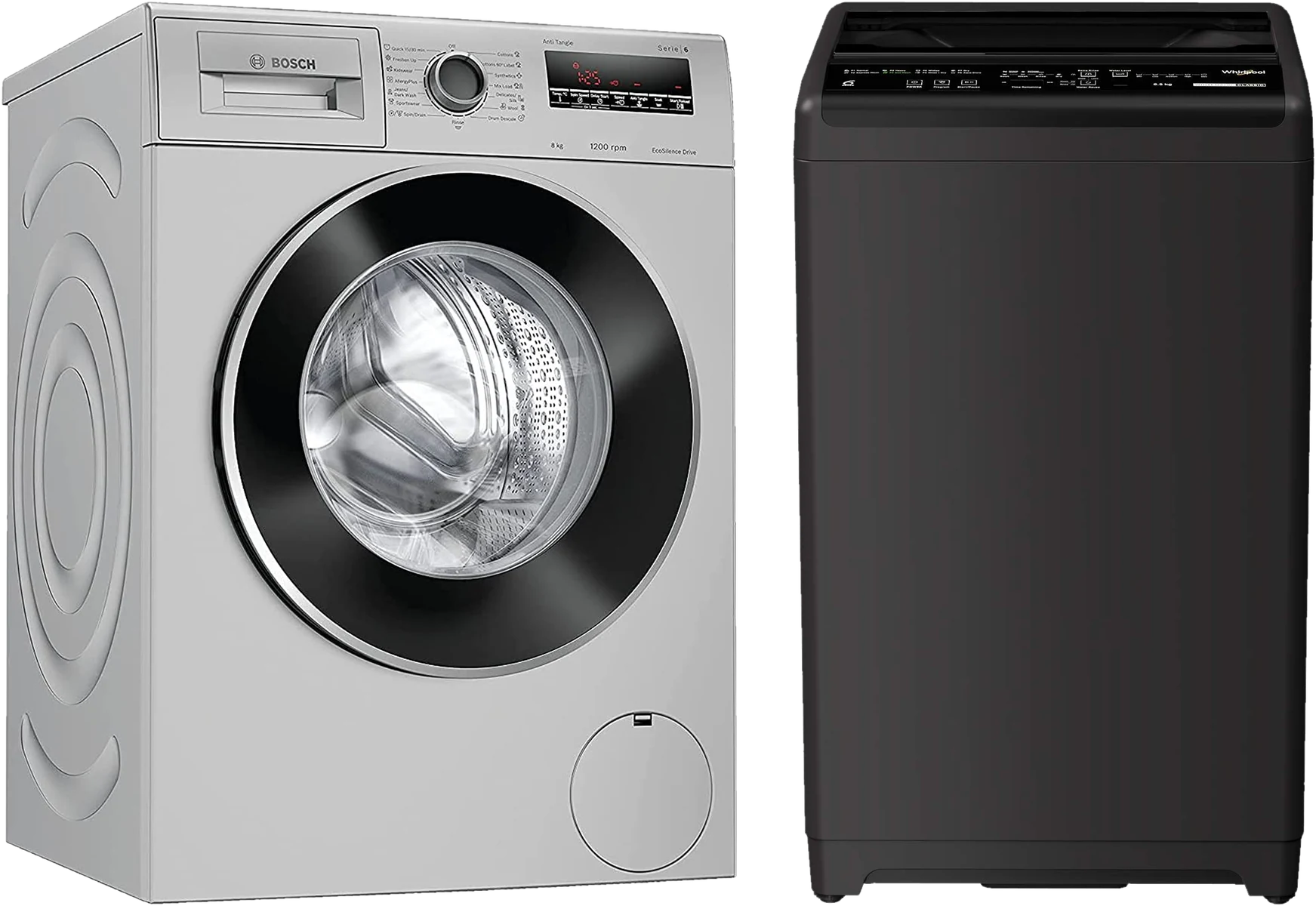
Basgo saysFront load cleans better. Top load costs less.
Walk into any appliance showroom and the first question you’ll be asked is “front load ya top load?” — and the salesperson’s answer usually depends on what’s in stock. Here’s the honest version, factor by factor.
The 30-second answer
Front loaders wash better, use less water, and treat clothes more gently — at a higher price, with longer cycles and fixed plumbing. Top loaders are cheaper, faster, easier on your back, and more forgiving of habits like adding clothes mid-wash. Neither is universally better; one fits your home better.
How they actually differ (the physics, in plain words)
A top loader fills a vertical drum with water and swirls clothes around a pulsator or agitator. Cleaning comes mostly from water movement.
A front loader rotates a horizontal drum, lifting clothes and dropping them through a shallow pool again and again. That tumble — fabric rubbing fabric — is mechanically closer to hand-washing, which is why front loaders clean better with less water and less detergent.
Everything else flows from that one design difference.
Cleaning performance
Front load wins, especially on genuinely dirty laundry — school uniforms, sports kit, kitchen towels. For lightly worn office wear, both do fine, and a good top loader with a strong wash program covers most households comfortably. If your laundry is regularly dirty rather than just worn, weight this factor heavily.
Water and electricity
Front load, clearly. Roughly half the water per cycle, and less detergent too. If you pay for tanker water, live with water restrictions, or run the machine daily, the front loader’s higher price quietly repays itself. One caveat: front loaders heat water more often (that’s part of why they clean better), so their electricity edge depends on which programs you use.
Fabric care
The tumble is gentler than an agitator’s pulling. Clothes from front loaders show less lint, fewer stretched collars, and survive more washes. Higher spin speeds (1200–1400 RPM, common on front loaders) also mean clothes come out drier — a genuine monsoon advantage.
Convenience and ergonomics
Top load wins on daily friction:
- No bending. Loading a front loader means squatting unless you build a plinth. For anyone with knee or back trouble, this alone can decide it.
- Add clothes anytime. Lid up, sock in. Front loaders lock once water’s in (some allow early-pause additions).
- Faster default cycles. Top load programs commonly finish in 45–60 minutes; front load defaults often run 1.5–2.5 hours (their quick modes exist, but with reduced cleaning).
- Placement flexibility. Top loaders tolerate being moved around and connected loosely; front loaders want permanent plumbing and a dead-level floor, or they walk and thump at spin speed.
Price
Top loaders start meaningfully cheaper, and the gap continues at every quality tier. Also in the budget conversation: semi-automatic machines (two tubs, manual transfer) remain the cheapest workhorses and tolerate low water pressure and interrupted supply better than anything — the right call for some homes, though they’re a separate class from the automatics compared here.
Durability and maintenance
Both last years with basic care, but their failure modes differ. Front loaders: the rubber door gasket needs wiping dry and occasional cleaning or it grows mould, and the door must be left ajar between washes. Top loaders: simpler doors, fewer seals, easier service access, generally cheaper repairs. In hard-water India, both need monthly descaling — no exceptions.
The decision framework
Choose front load if: laundry quality matters to you, water is expensive or rationed, you wash daily, and the budget stretches.
Choose top load if: budget is tighter, cycles need to be quick, bending is a problem, or your household constantly tosses in one more item after the wash starts.
Either way, the specs that matter next — capacity, RPM, inverter motors, star ratings — are decoded in our washing machine specs guide.
Questions people ask
Which washes clothes better — front load or top load?
Front loaders, measurably. Tumbling clothes through a shallow pool of water rubs fabric against fabric — closer to hand-washing action — and removes more soil with less detergent. Top loaders still wash well for everyday loads; the gap shows most on stained or heavily soiled clothes.
Do front load washing machines really save water?
Yes — a front loader typically uses roughly half the water of a comparable top loader per cycle, because it tumbles clothes through a small pool instead of submerging the whole load. Over years of daily washes, that's a meaningful difference in both water and the electricity used for heating.
Can I open the machine mid-cycle to add a forgotten sock?
On a top loader, yes — lift the lid and toss it in. Most front loaders lock the door once water is in, though many recent models allow a pause-and-add within the first few minutes, and a few offer a small add-item door. If mid-wash additions are a habit, top load suits you better.
Which is better for hard water areas?
Neither escapes hard water. Scale affects heaters and drums in both types, so if your supply is borewell or tanker water, plan on a monthly descaling routine regardless. Front loaders heat water more often, so skipping descaling hurts them slightly faster.