Washer-Dryers in India: Worth It? Condenser vs Heat Pump, Decoded
A washer-dryer dries only about half a wash load, and condenser and heat-pump dryers differ hugely in power use. Who it suits in India, prices, and what to check.
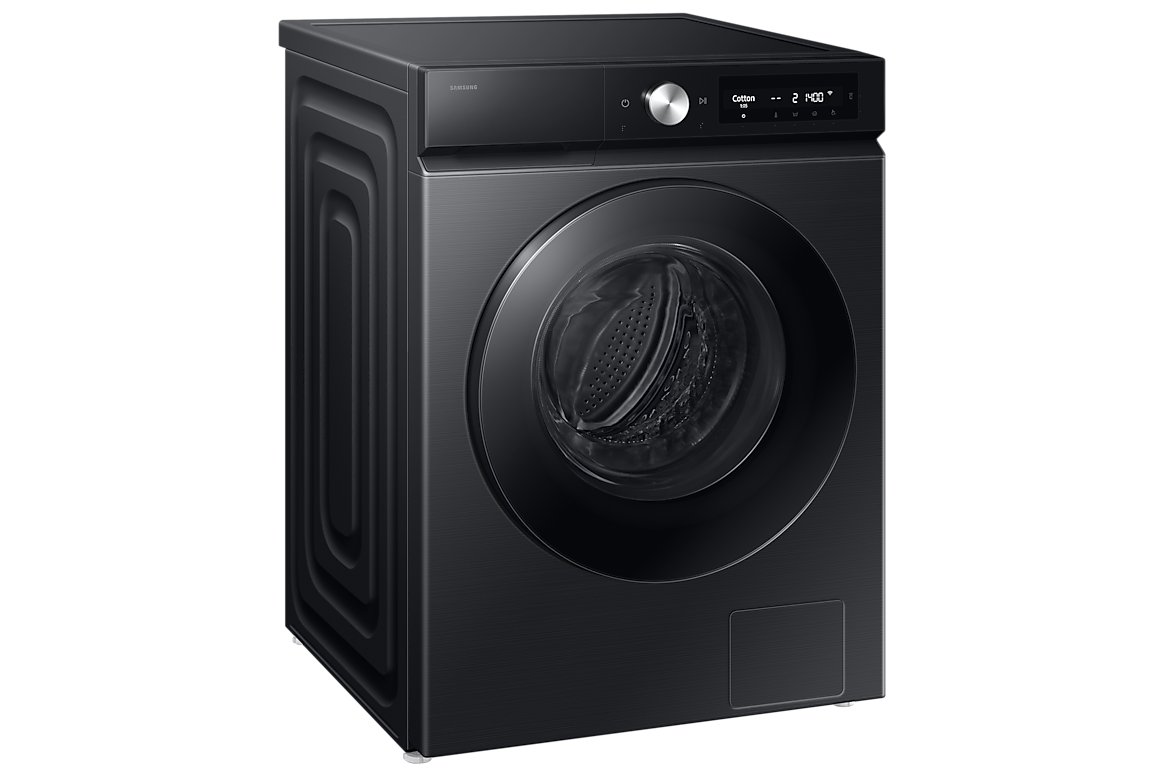
Photo: Samsung
Basgo saysMonsoon flat? Worth it. Sunny balcony? Skip it.
Mumbai in July, Bengaluru in October, any flat with no balcony: some Indian homes really do need a dryer. The brochures pitch the washer-dryer as the answer, a single machine that does both. Here’s what the numbers on the box actually mean.
“12/7 kg”: the number to read first
Every washer-dryer lists two capacities: wash / dry. Samsung’s Bespoke AI model is 12/7 kg, LG sells 9/5 kg and even 20/10 kg. The dry figure is always roughly half the wash figure, because clothes need room to tumble in hot air.
So a full wash load won’t dry in one go. You take out half, dry the rest, then dry the first half. Plan for that, or buy a size up.
Condenser vs heat pump
There are two ways a dryer gets water out of clothes:
- Condenser drying: an electric heater warms the air, the air passes through the clothes, then it’s cooled so the moisture condenses into water that drains away. It’s quick, but the heater uses a lot of electricity. Most washer-dryers in India work this way.
- Heat-pump drying: the dryer moves heat around in a loop, the way a fridge or AC does, instead of making it from scratch. It uses roughly half the electricity or less and is gentler on fabrics, but takes longer. In India, heat pumps mostly come in standalone dryers (₹52,000–66,000 for Bosch, Samsung and LG models) and LG’s stacked WashTower.
If you’ll dry every day, the heat pump’s running costs add up in its favour. If you’ll dry only during the monsoon, a condenser washer-dryer is fine.
Who it actually suits
Worth it if:
- You live somewhere wet for months: the Konkan coast, Kerala, the north-east, Bengaluru.
- Your flat has no balcony or drying space, or a building rule against drying clothes outside.
- You have a baby, or anyone who needs clean clothes daily regardless of weather.
- Your city’s air is bad, and clothes dried outdoors come back dusty.
Skip it if you have a sunny balcony for most of the year. Sun-drying is free, kills germs and is kinder to fabrics.
One machine or two?
| Washer-dryer | Washer + separate dryer | |
|---|---|---|
| Space | One footprint | Two, or stacked |
| Cost | Lower | Higher (a dryer alone is ₹50,000+) |
| Drying a full load | In two goes | In one go |
| Wash and dry at the same time | No | Yes |
| Electricity | Usually condenser (higher) | Often heat pump (lower) |
What it costs
Washer-dryers run from about ₹38,000 to ₹1.7 lakh. Some examples: Samsung Bespoke AI 12/7 kg from ₹63,990, LG FHD0905SWM 9/5 kg at about ₹54,990, and Haier F17 12 kg at about ₹75,990. Prices change through festive sales, so compare on the day.
What to check before buying
- Dry capacity, not just wash capacity.
- Condenser or heat pump. Brochures don’t always say it up front, so look in the spec sheet.
- Sensor drying, which stops when clothes are dry instead of running a fixed time. It saves power and stops shrinkage.
- A wool or delicate dry programme if you’ll dry sweaters or silks. Many Indian fabrics are still better dried flat or on a line.
- Motor warranty, separately from the comprehensive warranty.
Honest verdict
A washer-dryer earns its place in monsoon cities, small flats and polluted air. Buy one sized for the drying load you need, and prefer heat pump if you’ll dry daily. With a sunny balcony, put the money into a better washer instead. For the washer side of the brochure, see 2026’s washing machine jargon, decoded.
Questions people ask
How much can a washer-dryer dry at once?
Roughly half of what it washes. Samsung's Bespoke AI washer-dryer is 12 kg wash / 7 kg dry, LG sells 9/5 kg and 20/10 kg models. A full wash load needs to be split and dried in two goes.
What's the difference between condenser and heat-pump drying?
A condenser dryer heats air with an element, blows it through the clothes, then cools it to condense the moisture into water. A heat-pump dryer recycles heat the way a fridge or AC moves heat, so it uses far less electricity and is gentler on clothes, but takes longer. Most washer-dryers sold in India are condenser types; heat pumps mostly come in standalone dryers.
Is a washer-dryer worth it in India?
It's worth it in rainy, humid cities through the monsoon, in flats with no balcony or drying space, for families with babies, and in polluted cities where clothes dried outdoors collect dust. If you have a sunny balcony most of the year, sun-drying is free and you can skip it.
Should I buy a washer-dryer or a separate dryer?
A washer-dryer takes one footprint and costs less than two machines. A separate dryer (often a heat pump) dries full loads, can run while the next wash goes on, and uses less power, but needs space and costs ₹50,000–66,000 on its own. Stack it on a front-loader if space is tight.
How much do washer-dryers cost in India?
Roughly ₹38,000 to ₹1.7 lakh, depending on size and brand. Examples: Samsung's 12/7 kg Bespoke AI from ₹63,990, LG's 9/5 kg FHD0905SWM at about ₹54,990 and Haier's 12 kg F17 at about ₹75,990.